
Hidden Occupational Injury Risks You Might Be Ignoring
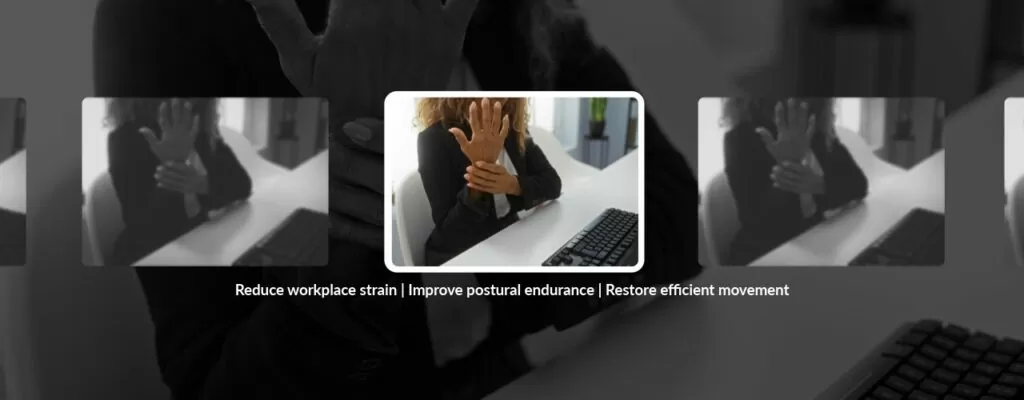
Many workers assume that physical danger only exists in environments like construction sites or warehouses. However, occupational injury risks exist in almost every job, from office settings to healthcare and retail. As physical therapists, we spend our days identifying the subtle drivers of pain that patients often overlook while they are focused on their daily tasks. These hidden dangers often stem from repetitive movements, prolonged static positions, or poor workstation setups. By understanding these risks early, you can take practical steps to reduce danger and stay healthier at work. Our goal is to look behind the symptoms to find exactly how your professional environment is impacting your musculoskeletal health.
How Our Therapists Connect Symptoms to Causes
When a patient arrives with neck tension or wrist pain, we do not simply treat the area that hurts. We look for the root of the issue. For example, a shoulder ache might actually be caused by the way a person sits with poor posture or reaches for a mouse or a phone hundreds of times a day. We look at the body as a connected system. If your chair does not provide enough support, your mid back may slump, which then forces your neck muscles to work harder to keep your head level. Our therapists use their clinical knowledge to trace these symptoms back to your specific work habits and identify the factors contributing to your issues.
What We Ask in the First Conversation
At your initial evaluation, your therapist will start by getting to know more about your typical workday. We ask about the physical demands of your job because the details matter more than people realize. We want to know if you sit for long periods, if you rotate your torso frequently, or if you lift objects from a low position. We ask these questions to build a mental map of your occupational injury risks. Understanding the timing of your symptoms, such as whether they feel worse at the start or the end of a shift, helps us determine if the issue is related to muscle fatigue or mechanical stress.
Next, during your physical exam, we look for findings that tell the story of your work week. We assess your movement patterns to see how your body has adapted to your job requirements.
Postural Endurance
- We look at how well your muscles hold a neutral position before they begin to tire.
Joint Mobility
- We check if certain joints have become stiff or restricted due to lack of movement during the day.
Muscle Balance
- We identify if some muscle groups are overworking while others have become weak from disuse.
Functional Movements
- We observe how you move through the space required for your specific job tasks.
Managing Occupational Injury Risks Through Personalized Care
Once we identify your specific occupational injury risks, we match our findings to your personal goals. We do not use a standard protocol because every worker has different demands. Our therapists choose interventions that directly address your specific needs.
Treatment Techniques We Might Suggest
Our team uses several strategies to help you recover and stay healthy, including:
Manual Therapy
- We use hands-on techniques to improve the glide of your joints and reduce muscle tension caused by static work.
Postural Retraining
- We teach your brain and body how to find a neutral, supported position during your shift.
Targeted Strengthening
- We build the specific muscles needed to stabilize your spine and limbs during repetitive tasks.
Ergonomic Coaching
- We provide clear guidance on how to set up your work environment to minimize physical strain.
Simple Home Strategies for Your Routine
A successful recovery requires small adjustments outside of the clinic. We provide simple strategies that fit into your busy life.
Frequent Microbreaks
- We encourage short periods of movement to reset your posture throughout the day.
Position Changes
- We show you how to alternate between different ways of sitting or standing to distribute physical stress.
Supportive Stretching
- We identify specific movements that reverse the positions you hold for the longest time at work.
Hydration and Movement
- We discuss how staying active and hydrated supports the health of your joints and tissues.
We focus on early intervention to prevent minor aches from becoming long-term problems. If you ignore the warning signs, your body may develop compensation patterns that are harder to correct later. By addressing occupational injury risks now, you protect your long-term ability to earn a living and enjoy your life outside of work.
Call to Schedule Your First Visit to Agewell Physical Therapy
Your sessions will be a collaborative process where we listen to your concerns and analyze your workplace needs. We will provide a clear explanation and a personalized plan with practical tools you can use immediately. Our team is dedicated to helping you feel better and move better, regardless of what your job entails.
Contact Agewell Physical Therapy today to schedule an evaluation and begin your journey toward a healthier workday.